350–400 W
Practical limit of conventional direct-to-chip air cooling
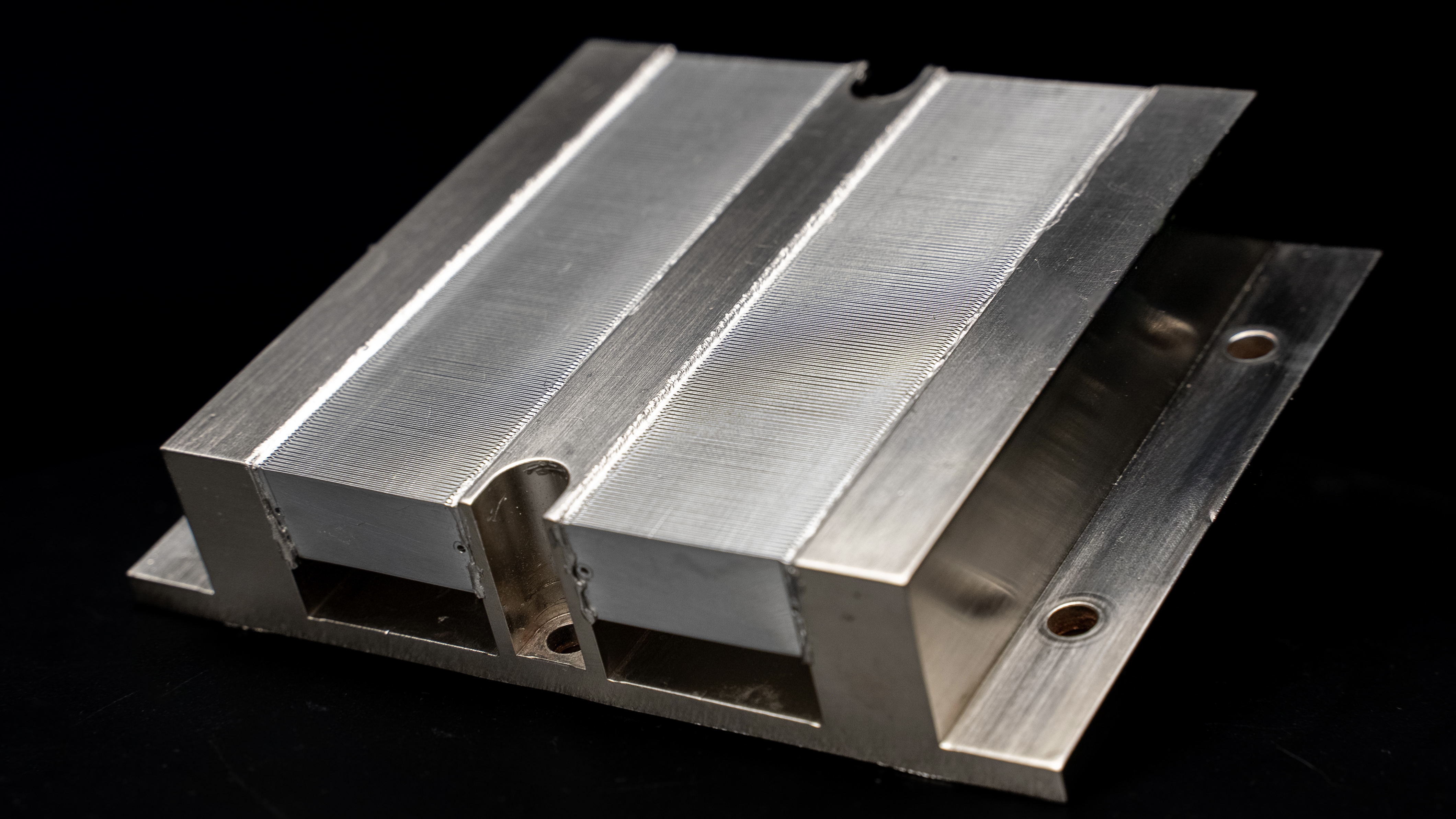

JouleForce™ pushes direct-to-chip air cooling beyond the practical limits of conventional heat sinks. Its patented microchannel arrays and precisely controlled airflow remove heat more effectively, delivering lower thermal resistance, lower chip temperatures, and less throttling under sustained compute loads.
Simple and proven, but increasingly constrained as chip power and rack density rise.
Handles higher loads, but adds CDUs, plumbing, service complexity, and facility changes.
Extends air cooling to higher densities without rack-level liquid loops or rebuilding the facility.
AI accelerators are moving into 1,000 W to 2,000 W power envelopes, while rack density is rising faster than conventional air can support. Liquid cooling handles higher heat loads, but adds plumbing, CDUs, service complexity, water exposure risk, and longer retrofit cycles. JouleForce raises air-cooled density without rebuilding the rack around liquid.
"This effectively extends the practical limits and lifecycle of air-cooling technologies."
Dr. Ortega reproduced Forced Physics' thermal-resistance and pressure-drop results within 3-5%. Dr. Ortega's evaluation also found 50% lower thermal resistance and one-third the airflow vs. the Dell reference heat sink.
Villanova reproduction of Forced Physics' SP5 results.
At one-third the airflow of the Dell reference heat sink.
JouleForce engagements start with your target hardware and measurable thermal goals.
Design and fabricate a socket or package POC, then validate reference-design and license.
Develop a Chassis-POC, validate on live compute and pursue a design win.
Jointly develop a rack-level demonstration or evaluate an air-cooled retrofit.
Compact high-density cooling where liquid service infrastructure is impractical.
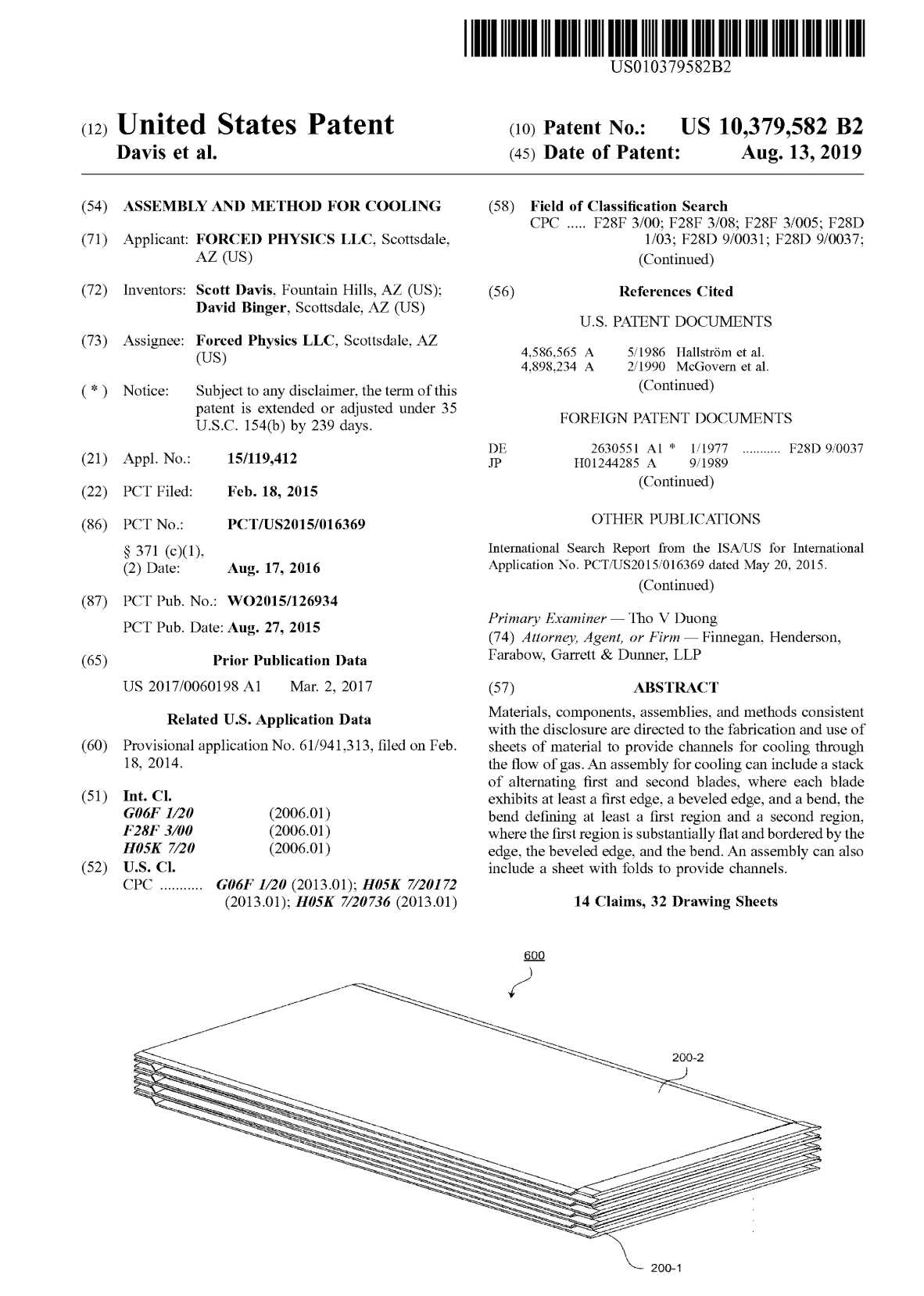
JouleForce uses patented microchannel arrays to change how air interacts with the heated surface. Rather than relying on heat removal that depends on bulk airflow over conventional fins, which has met its practical limit, the microchannel geometry increases air's heat removal capacity. This allows for direct-to-chip air cooling with low thermal resistance and a path to higher power density without liquid loops.
Explore the technology →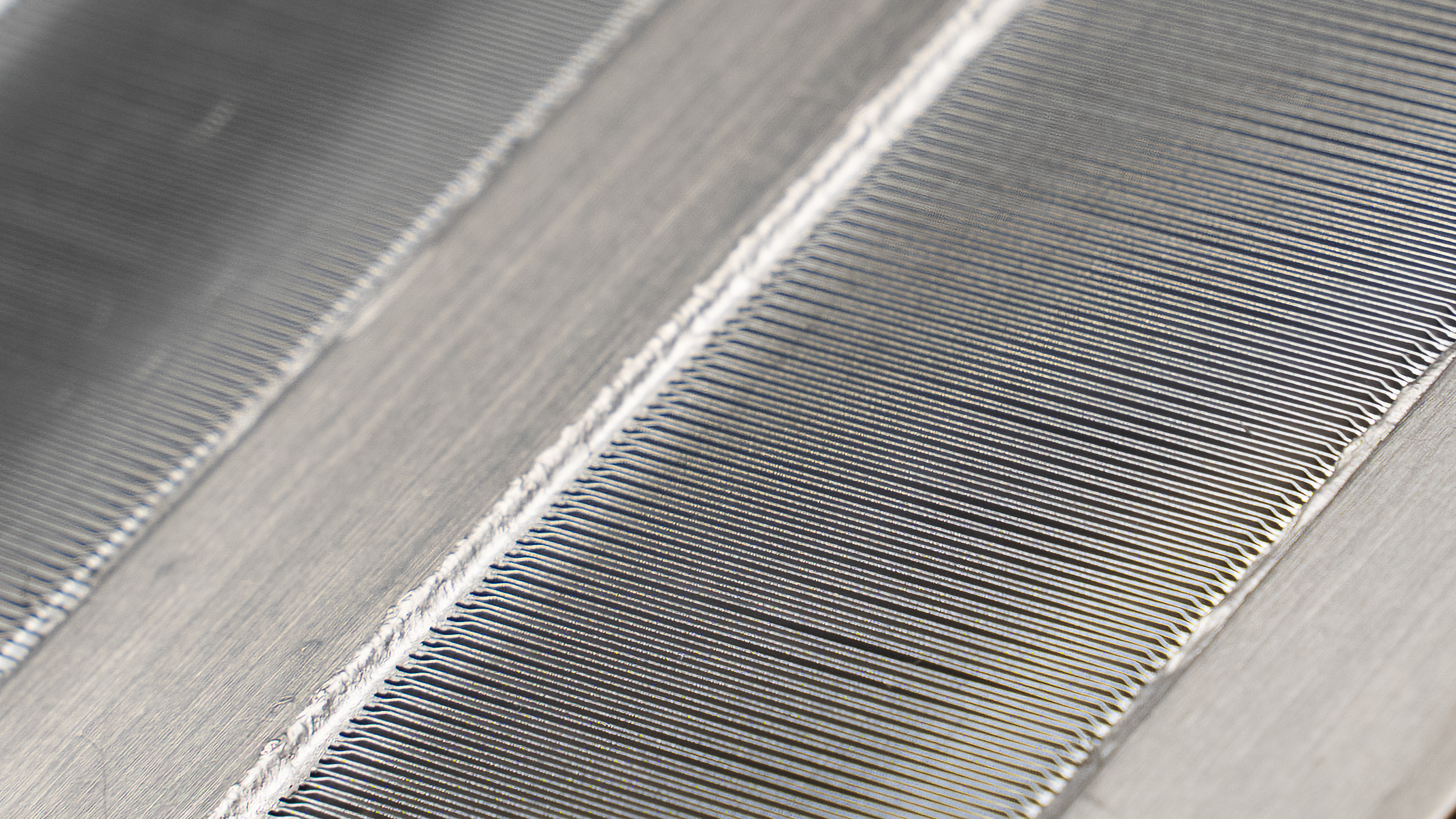
Performance comes from patented microchannel architecture, not from adding airflow or shrinking conventional fins.
Protected by an issued patent portfolio covering core array geometry and implementation.
Tell us what you are trying to cool: the target hardware, power envelope, ambient condition, and deployment environment. We will scope an evaluation around measurable thermal and performance targets.